
Animal Care
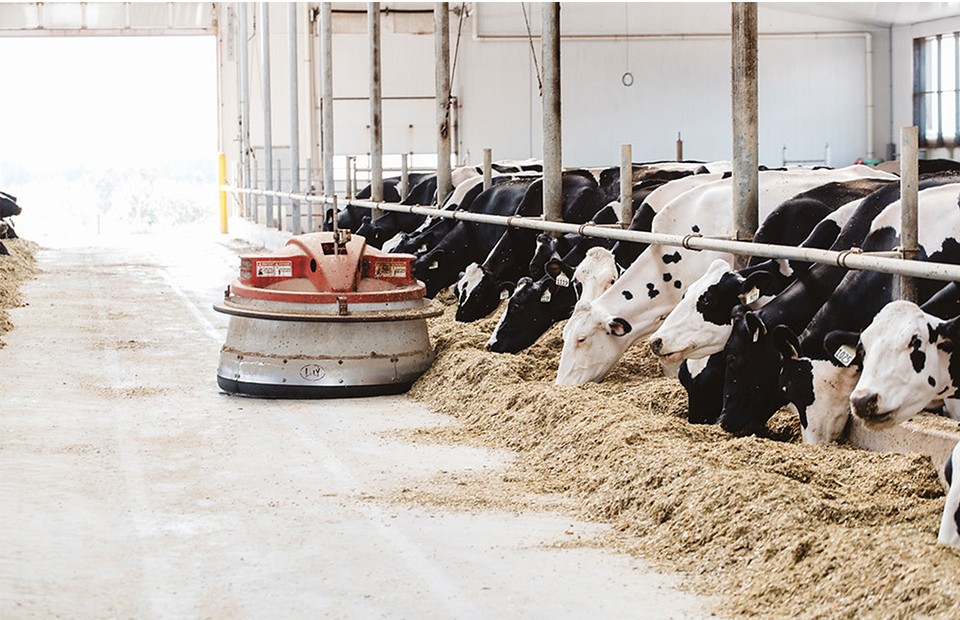
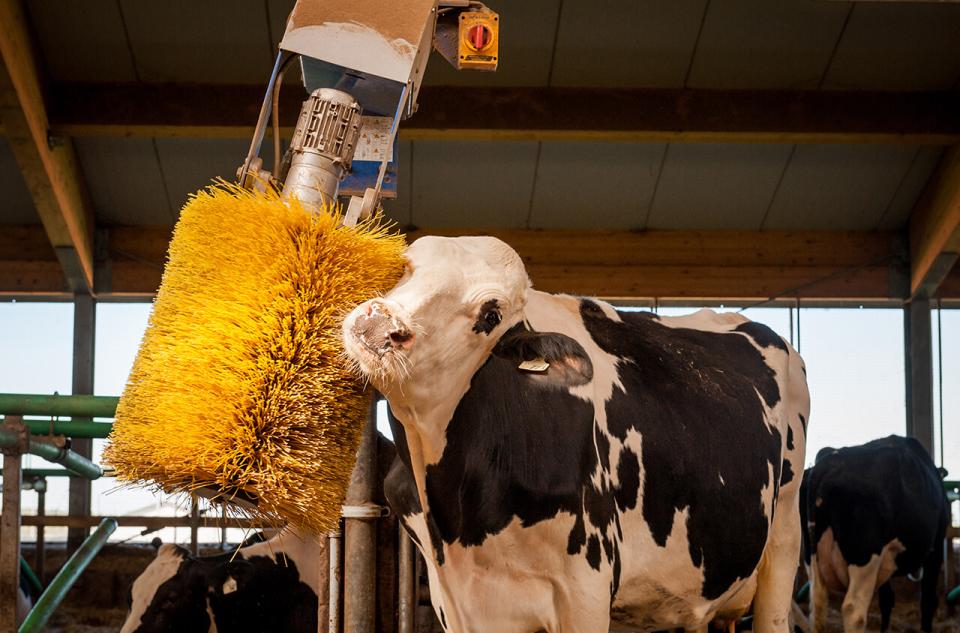
Providing excellent animal care is one of the most important job requirements when you are a Canadian dairy farmer. Farmers continuously invest in new technology and equipment, work with experts like veterinarians and nutritionists, and apply the latest research to ensure the comfort of their herds. Under proAction, Canadians can be confident that the milk they enjoy was produced in a socially responsible way by farmers who are dedicated to the well-being of their cattle.
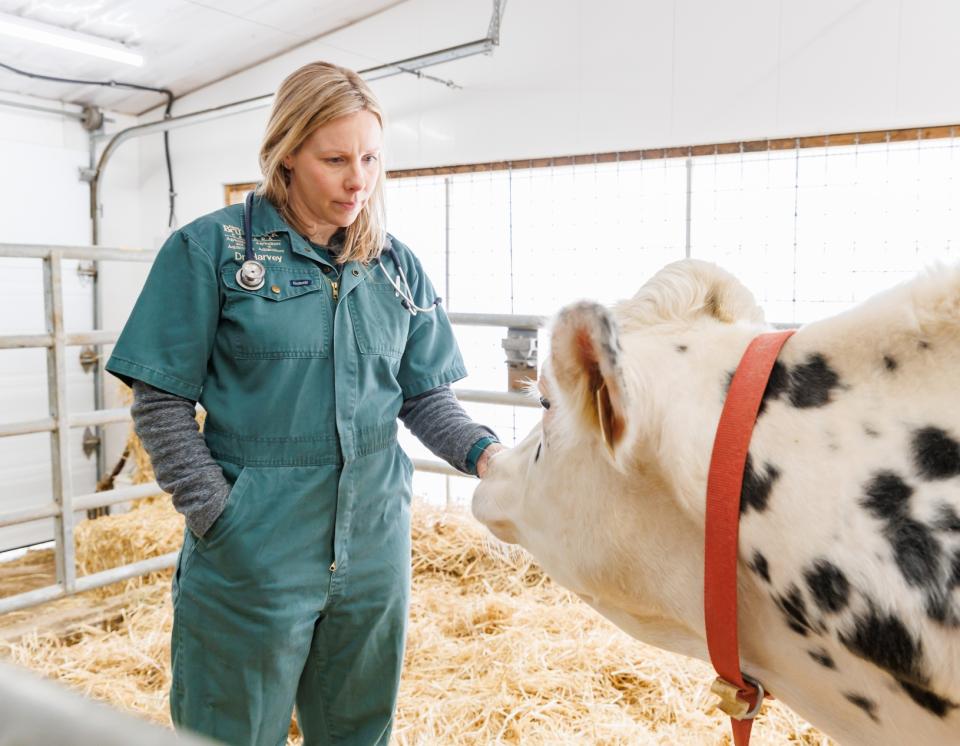
Monitoring and Assessing the Health of our Herds
Under proAction, all farms implement animal care practices based on the requirements in the Code of Practice for the Care and Handling of Dairy Cattle published by the National Farm Animal Care Council (NFACC). The Code is a science-based, nationally developed guideline containing both requirements and best practices for dairy cattle care and handling, with input from the scientific community and a wide range of stakeholders, including farmers, technical experts, veterinarians, animal welfare organizations, food processors, retailers, foodservice providers, and governments.
Cattle assessments are completed every two years through a partnership with Holstein Canada, allowing farmers to monitor their herds’ results over time and compare their progress against established benchmarks and their peers’ progress.
Farmers also work with experts like veterinarians, dairy nutrition advisors, hoof trimmers, dairy specialists, and technicians to continuously improve the comfort and health of their animals.
Implementing best management practices for cattle care
Some of the on-farm practices required under proAction include:
- Comfortable and clean housing
- Top quality feed and water for optimal health and growth
- Medical care when needed and pain control for necessary animal health practices
- Special care for vulnerable animals and careful end of life management
- Quiet, calm animal handling
- Pre-transport decision making
- Staff training to ensure cattle are handled using calm techniques
Investing in research to improve dairy animal health, comfort and care
Dairy Farmers of Canada (DFC) has invested extensively in animal care research since 1996. Animal health and welfare is one of the four major priority areas targeted in DFC’s National Dairy Research Strategy and is allocated approximately 25% of research investments.
Research funded by Dairy Farmers of Canada and its partners (AAFC, NSERC, etc.):
- informed the update of the Code of Practice in 2009;
- is informing the Code of Practice revision process which is currently in progress; and
- led to the development of science-based measures and procedures to assess and improve animal comfort practices.
DFC is currently financing seven research projects to improve animal care and health. In addition, DFC has supported NSERC Industrial Research on dairy cattle welfare at the University of British Columbia since 1997 and research on the sustainable life of dairy cattle at McGill University since 2015, leading to important advances on better dairy animal comfort and care practices. Several dairy cattle care experts are also trained annually to serve in the industry.
A Proven Track Record of Continuous Improvement
Continuous improvement has always been, and will continue to be, at the heart of the proAction Animal Care module.
The Code of Practice for the Care and Handling of Dairy Cattle was first published in 2009. In 2012 and 2013, DFC, through a project with NFACC, developed the first version of the Animal Care module of proAction to verify that dairy farmers respect the Code of Practice.
From 2013 to 2015, DFC further developed and piloted the Animal Care module. In 2015, the module was rolled out to farmers through training programs and educational materials. In September 2019, updates were made to improve targeted elements, and the requirements of the module were incorporated into the proAction validation process.
DFC initiated an update to the Code of Practice in 2019 to ensure it reflects the latest science and best practices. The Revised Code of Practice was published in March 2023 and was effective April 2024. DFC is actively working to incorporate the requirements of the Revised Code into the proAction program where appropriate.
RESOURCES FOR FARMERS
The animal care module is based on the Code of Practice for the Care and Handling of Dairy Cattle, and its criteria meets the stipulations of the National Farm Animal Care Council to demonstrate, with assessment and validation, that farmers respect the Code of Practice on their farms. To this end, the research done by leading animal care experts in various Canadian universities has been essential, as was the collaboration of many other experts and stakeholders in our industry.
Validation Requirements
The questions below outline the animal care criteria, from animal housing to staff training and communication. The validations are completed annually, through either farmer self-declaration or by independent assessors and validators.
Cattle Housing
Do you ensure that housing for unweaned calves:
- Allows calves to easily stand up, lie down, turn around (180°) and adopt normal resting postures?
- Provides bedding?
- Permits calves to have visual contact with other cattle?
- If group housing, provides a bedded area large enough to allow all calves to rest comfortably at the same time?
Do you ensure that housing for weaned heifers:
- Allows heifers to easily stand up, lie down, and adopt normal resting postures?
- Provides bedding?
- Permits heifers to have visual contact with other cattle?
- If group housing, provides a bedded area large enough to allow all heifers to rest comfortably at the same time?
Do you ensure that bull housing (if applicable to your farm):
- Permits bulls to easily stand up, lie down, adopt normal resting postures, and mount safely?
- Provides bedding?
Do you ensure that dry cattle housing:
- Allows cattle to easily stand up, lie down, and adopt normal resting postures?
- Provides bedding?
Do you ensure that dry cattle and lactating cattle housing provides adequate stocking densities? (Free-stall: does not exceed 1.2 mature cows per usable stall. Bedded-pack pens: provide 11 m2 (120 ft2) per mature Holstein cow.)
Do your animal husbandry, manure and waste management systems ensure the cleanliness of lactating cattle’s udders, legs and flanks?
Do you ensure that the calving area (prior to and after delivery of calf) is kept clean and dry?
Do you have a designated area for the segregation and treatment of sick and injured cattle?
(Tie-stall Barns): Are electric trainers:
- Designed to not exceed 2500 Volts?
- Equipped with a height adjustment?
- Located over the chine when the animal is standing with her hind feet near the gutter curb?
Feed and Water
Have you established and implemented a Standard Operating Procedure for colostrum management and calf feeding?
Do heifers receive feed that is adequate for maintaining health, growth and vigour?
Do all cattle have access to a clean water source?
Biosecurity and Animal Health
Have you established and implemented a Standard Operating Procedure for animal health practices (e.g. disbudding/dehorning, castration, supernumerary teat removal and branding) that includes appropriate pain control where required?
Do you provide prompt medical care for cattle that are sick, injured, too thin (BCS ≤2), severely lame, in pain or suffering?
Have you established and implemented a Standard Operating Procedure for managing down cattle?
Have you established and implemented a Standard Operating Procedure for euthanasia?
Have you:
- Had a cattle assessment conducted by an independent assessor on your milking herd for Body Condition Score; hock, knee and neck score; and mobility score? (Record 7)
- Documented and implemented an appropriate corrective action plan for results in the red zones to meet the program’s timelines for continuous improvement? (Record 7b).
- Do your cattle have full tails?
Handling and Shipping Animals
Do you handle cattle without the use of electric cattle prods whenever possible?
Have you established and implemented a Standard Operating Procedure for shipping cattle?
Staff Training and Communication
Do you train all animal handlers, and are they familiar with cattle behaviour and quiet handling techniques?
Do you have a written corrective action plan on how to communicate and address downed animals?
